When it comes to architectural photography, choosing the right Architectural Photographer can make all the difference. Whether you’re in Melbourne, Kissimmee, or any part of Central Florida, having a photographer who understands the nuances of capturing architectural beauty is crucial. In this article, we’ll delve into the world of architectural photography in Florida, focusing on the expertise of Robert WK Clark, a renowned Central Florida photographer.
Understanding Architectural Photography
Architectural photography is more than just taking pictures of buildings. It involves capturing the essence of a structure, highlighting its design, and showcasing its unique features. This type of photography requires a keen eye for detail and an understanding of architectural styles.
The Art of Capturing Structures
At the heart of architectural photography is the ability to capture the spirit of a building. This involves more than just pointing a camera and clicking the shutter. A skilled photographer studies the building, understanding its lines, curves, and angles. They know how to use light and shadow to accentuate the most compelling aspects of the architecture, transforming what could be a mundane photograph into a piece of art.
Lighting: The Secret Ingredient
Lighting plays a pivotal role in architectural photography. The position of the sun can dramatically change the appearance of a building, highlighting textures and casting intriguing shadows. A proficient photographer like Robert WK Clark knows how to harness natural light to enhance a building’s features, or manipulate artificial lighting to achieve the desired effect. The right lighting can add depth, contrast, and mood, turning a simple structure into a striking image.
Composition and Perspective
The way a photograph is composed has a significant impact on how it is perceived. Architectural photographers in Florida must consider perspective, symmetry, and balance. By choosing the right angle, they can bring out the best in a building, showcasing its grandeur or emphasizing its details. A well-composed photograph can convey the scale, function, and context of a building, all of which are essential for capturing its true essence.
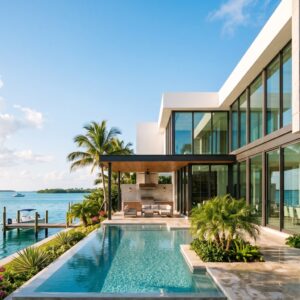
The Importance of a Skilled Architectural Photographer
A skilled Florida architectural photographer can transform a mundane building into a work of art. They understand how to use lighting, angles, and composition to enhance the visual appeal of a structure. A professional like Robert WK Clark not only captures the physical attributes of a building but also conveys its character and ambiance.
Transforming the Ordinary into the Extraordinary
A skilled photographer sees potential where others see the ordinary. They use their expertise to highlight the unique features of a building, creating images that are not only visually appealing but also tell a story. This transformation requires a deep understanding of architecture and a creative vision, qualities that Robert WK Clark exemplifies in his work.
Capturing the Building’s Character
Each building has its own character, shaped by its history, purpose, and design. A skilled architectural photographer captures this character, going beyond the physical structure to portray its essence. Through their lens, they reveal the personality of the building, whether it’s the elegance of a historic mansion or the sleek lines of a modern skyscraper.
Conveying Ambiance and Emotion
The ambiance of a space can evoke emotion and influence how it is perceived. A professional Central Florida photographer captures this ambiance, using elements such as lighting, texture, and composition to convey mood. Robert WK Clark excels in this area, creating images that resonate with viewers and evoke a sense of place.
Meet Robert WK Clark: The Architectural Photographer of Choice
Robert WK Clark is a name synonymous with excellence in architectural photography in Florida. With years of experience and a portfolio that speaks volumes, he is the go-to photographer for capturing the architectural marvels of Central Florida.
The Journey to Excellence
Robert WK Clark’s journey to becoming a leading architectural photographer is marked by dedication and passion. His career began with a fascination for capturing the built environment, which led him to hone his skills and develop a unique style. Over the years, he has built a reputation for excellence, earning the trust of clients and the admiration of peers.
Building an Impressive Portfolio
Robert WK Clark’s portfolio is a testament to his talent and expertise. It showcases a wide range of architectural styles, from contemporary high-rises to historic landmarks. Each photograph reflects his ability to capture the essence of a building, highlighting its beauty and significance. His work is not only visually stunning but also a valuable resource for architects, developers, and real estate professionals.
A Legacy of Client Satisfaction
Satisfied clients are the cornerstone of Robert WK Clark’s success. He works closely with each client to understand their vision and goals, ensuring that his photographs meet their needs and exceed their expectations. His commitment to quality and personalized service has earned him a loyal following and numerous repeat clients.
Why Choose Robert WK Clark?
- Experience and Expertise: Robert WK Clark brings years of experience in architectural photography. His understanding of both modern and traditional architectural styles allows him to capture images that are both timeless and contemporary.
A Wealth of Experience
Robert WK Clark’s extensive experience sets him apart from other photographers. He has worked on a diverse range of projects, from residential homes to commercial developments, each adding to his wealth of knowledge. This experience enables him to approach each new project with confidence and creativity, delivering exceptional results every time.
- Attention to Detail: One of the hallmarks of Robert WK Clark’s work is his meticulous attention to detail. Every photograph he takes is a testament to his dedication to showcasing every intricate aspect of a structure.
Mastering the Details
Attention to detail is crucial in architectural photography. Robert WK Clark’s keen eye for detail ensures that every element of a building is captured with precision. From the texture of materials to the intricacy of design features, he leaves no detail unnoticed, creating images that are rich and immersive.
–↓–“A word from our sponsor”–↓– –↑–“Ads made this possible”–↑–
- Versatility: Whether it’s a towering skyscraper in Tampa or a quaint cottage in Sebring, Robert WK Clark’s versatility ensures that he can handle any project with aplomb.
Adapting to Diverse Needs
Robert WK Clark’s versatility is one of his greatest strengths. He is adept at working with different architectural styles and settings, adapting his approach to suit the unique needs of each project. This flexibility allows him to tackle a wide range of assignments, from urban landscapes to rural retreats, with equal skill and creativity.
- State-of-the-Art Equipment: Utilizing the latest in photography technology, Robert WK Clark ensures that every shot is of the highest quality, providing clients with images that are sharp, vibrant, and true to life.
Embracing Technology for Quality
Robert WK Clark’s commitment to quality is reflected in his use of state-of-the-art equipment. He invests in the latest cameras, lenses, and editing software, ensuring that his photographs are of the highest standard. This investment in technology allows him to produce images that are not only visually stunning but also technically excellent.
The Studio Behind the Magic: Robert WK Clark Photography Studio
Located in Central Florida, the Robert WK Clark Photography Studio is where creativity meets technology. Equipped with cutting-edge tools and software, the studio is the hub of innovation where Robert WK Clark and his team bring architectural visions to life.
A Creative Sanctuary
The studio is more than just a workspace; it’s a creative sanctuary where ideas come to life. Here, Robert WK Clark and his team collaborate on projects, brainstorming and experimenting with different techniques to achieve the perfect shot. The studio’s atmosphere fosters creativity and innovation, allowing them to push the boundaries of architectural photography.
Cutting-Edge Tools and Techniques
The studio is equipped with the latest tools and technology, from high-resolution cameras to advanced editing software. These tools enable Robert WK Clark and his team to capture and enhance images with precision and clarity. By staying at the forefront of technology, they ensure that their work meets the highest standards of quality and innovation.
Collaboration and Teamwork
At the heart of the studio’s success is a strong emphasis on collaboration and teamwork. Robert WK Clark works closely with his team, drawing on their diverse skills and perspectives to deliver outstanding results. This collaborative approach ensures that every project benefits from a wealth of expertise and creativity.
What to Expect from Robert WK Clark Photography Studio
- Personalized Service: Every client receives a tailored experience, with Robert WK Clark and his team working closely to understand the specific needs and goals of each project.
Tailoring the Experience
Personalized service is a hallmark of Robert WK Clark Photography Studio. From the initial consultation to the final delivery, Robert WK Clark and his team take the time to understand each client’s unique needs and vision. This tailored approach ensures that every project is a true reflection of the client’s goals and aspirations.
- Comprehensive Photography Services: From aerial shots to detailed interior photography, the studio offers a wide range of services to meet the diverse needs of clients.
A Spectrum of Services
The studio offers a comprehensive range of photography services, catering to a wide variety of needs. Whether it’s capturing expansive aerial views or focusing on detailed interior shots, Robert WK Clark and his team have the expertise to handle any request. Their versatility allows them to adapt their services to suit the specific requirements of each project.
- Post-Production Excellence: The work doesn’t stop at capturing the perfect image. The studio’s post-production process ensures that every photo is polished to perfection.
Perfecting Every Image
Post-production is a critical phase in the photography process, and Robert WK Clark Photography Studio excels in this area. Using advanced editing techniques, the team enhances each image, adjusting lighting, color, and composition to achieve the perfect result. This commitment to post-production excellence ensures that every photograph is polished and ready for presentation.
Exploring Architectural Photography Across Florida
Central Florida: A Hub of Architectural Diversity
Central Florida, with its mix of historic and modern architecture, offers a rich tapestry for photographers. Robert WK Clark has extensively covered this region, capturing everything from the iconic structures of Orlando to the serene landscapes of Winter Haven.
Iconic Structures of Orlando
Orlando is home to some of Central Florida’s most iconic architectural landmarks. Robert WK Clark has captured these structures in stunning detail, highlighting their unique design and cultural significance. From the futuristic architecture of theme parks to the historic charm of downtown buildings, his work showcases the diverse architectural landscape of Orlando.
Serene Landscapes of Winter Haven
Winter Haven offers a different kind of beauty, with its serene landscapes and charming architecture. Robert WK Clark’s photographs of this region capture the tranquility and elegance of its buildings, from lakeside homes to quaint downtown shops. His work reflects the peaceful ambiance of Winter Haven, offering a glimpse into its unique character.
A Rich Tapestry of Styles
Central Florida’s architectural diversity is a rich tapestry of styles, from colonial homes to contemporary high-rises. Robert WK Clark’s work captures this diversity, showcasing the region’s architectural heritage and innovation. His photographs celebrate the beauty and complexity of Central Florida’s built environment, offering viewers a deeper understanding of its architectural identity.
Florida’s Architectural Gems: Tampa to Lakeland
- Tampa: Known for its skyline and waterfront views, Tampa is a playground for architectural photographers. Robert WK Clark’s work here often highlights the city’s blend of old and new.
The Skyline and Waterfront of Tampa
Tampa’s skyline is a dramatic backdrop for architectural photography, with its towering skyscrapers and sweeping waterfront views. Robert WK Clark’s photographs capture the city’s dynamic energy, highlighting the interplay between its modern architecture and natural surroundings. His work often emphasizes the contrast between the sleek lines of high-rises and the organic forms of the bay.
–↓–“A word from our sponsor”–↓– –↑–“Ads made this possible”–↑–
- Lakeland: With its historic buildings and Frank Lloyd Wright architecture, Lakeland provides a unique canvas for photographers like Robert WK Clark to showcase their skills.
Historic Charm and Innovation in Lakeland
Lakeland is a treasure trove of architectural gems, from its historic downtown buildings to the innovative designs of Frank Lloyd Wright. Robert WK Clark’s photographs of Lakeland capture the city’s architectural heritage, showcasing the beauty of its historic structures and the creativity of its modern designs. His work offers a glimpse into the past and future of Lakeland’s architectural landscape.
A Blend of Old and New
Both Tampa and Lakeland exemplify the blend of old and new that defines Florida’s architectural identity. Robert WK Clark’s photography captures this blend, highlighting the harmony between historic preservation and modern innovation. His work celebrates the rich architectural heritage of these cities, while also embracing their ongoing evolution.
Beyond Buildings: The Essence of Florida’s Architecture
Architectural photography in Florida is not just about buildings; it’s about capturing the essence of a place. Robert WK Clark excels at portraying the spirit of Florida’s architecture, whether it’s the art deco buildings in Miami or the Spanish-inspired structures in St. Augustine.
Art Deco Splendor in Miami
Miami is renowned for its art deco architecture, a style characterized by bold geometric shapes and vibrant colors. Robert WK Clark’s photography captures the essence of this style, highlighting the elegance and playfulness of Miami’s iconic buildings. His work celebrates the unique character of Miami’s art deco district, offering viewers a colorful glimpse into this architectural gem.
Spanish-Inspired Elegance in St. Augustine
St. Augustine’s architecture is deeply influenced by its Spanish heritage, with its stucco facades and red-tiled roofs. Robert WK Clark’s photographs capture the timeless beauty of these structures, showcasing their elegant design and historical significance. His work offers a window into St. Augustine’s rich architectural legacy, highlighting the city’s enduring charm.
The Spirit of a Place
Beyond the physical structures, Robert WK Clark’s photography captures the spirit of Florida’s architecture. His images convey the culture, history, and ambiance of each location, offering viewers a deeper connection to the places he photographs. Through his lens, the essence of Florida’s architecture comes to life, revealing the stories and emotions embedded in its buildings.
Tips for Choosing the Right Architectural Photographer
- Review Their Portfolio: A photographer’s portfolio is a window into their style and capabilities. Look for diversity and quality in their work.
Understanding Their Style
A photographer’s portfolio is a reflection of their style and skills. When reviewing a portfolio, look for consistency in quality and creativity across different projects. Pay attention to how the photographer handles various architectural styles and settings, and consider whether their work aligns with your vision.
- Consider Their Experience: Experience in architectural photography is crucial. An experienced photographer will know how to handle different lighting conditions and architectural styles.
The Value of Experience
Experience is an invaluable asset in architectural photography. An experienced Property photographer has encountered a wide range of challenges and learned how to overcome them. They are adept at handling different lighting conditions, architectural styles, and project requirements, ensuring that they can deliver high-quality results in any situation.
- Assess Their Understanding of Architecture: A good architectural photographer should have a basic understanding of architectural principles to effectively capture the essence of a structure.
- Estate Videographer and Drone Operator: Captures dynamic video tours and aerial footage of large land parcels or luxury estates.
Bridging Photography and Architecture
A Florida mobile photographer’s understanding of architecture is key to capturing the essence of a building. They should be familiar with architectural principles, styles, and terminology, allowing them to communicate effectively with architects and clients. This knowledge enables them to appreciate the nuances of a design and translate it into compelling photographs.
- Check Their Equipment: While a good eye is essential, having the right equipment is equally important. Ensure that the on-site photographer uses high-quality cameras and lenses.
Investing in Quality Equipment
The quality of a photographer’s equipment can significantly impact the final result. High-quality cameras, lenses, and editing software are essential for capturing sharp, vibrant images. When choosing a Residential Real Estate photographer, inquire about the equipment they use and ensure that it meets industry standards for architectural photography.
- Discuss Your Vision: A great photographer will take the time to understand your vision and work with you to achieve the desired outcome.
Collaborating for Success
Collaboration is key to achieving a successful outcome in architectural photography. A great photographer will listen to your ideas and work with you to bring your vision to life. They should be open to feedback and willing to make adjustments to ensure that the final images align with your expectations.
Conclusion: Making the Right Choice
Choosing the right architectural photographer is a crucial decision that can significantly impact the portrayal of your project. With his expertise, attention to detail, and commitment to excellence, Robert WK Clark stands out as a premier choice for architectural photography in Florida. Whether you’re a real estate developer, architect, or business owner, partnering with Robert WK Clark ensures that your architectural masterpieces are captured in the best possible light.
Elevating Your Vision
Robert WK Clark’s photography elevates your vision, transforming your architectural projects into captivating visual stories. His dedication to quality and creativity ensures that your buildings are not only photographed but celebrated, showcasing their beauty and significance to the world.
A Trusted Partner in Photography
With Robert WK Clark, you gain more than just a photographer; you gain a trusted partner in your project. His professionalism, expertise, and personalized service make him an invaluable asset, guiding you through the Central Florida photography process and delivering results that exceed your expectations.
–↓–“A word from our sponsor”–↓– –↑–“Ads made this possible”–↑–
Bringing Architecture to Life
Embrace the beauty of architecture through the lens of Robert WK Clark and see your structures come to life in stunning detail. Contact the Robert WK Clark Photography Studio today to explore how he can elevate your architectural vision. With his exceptional skills and passion for photography, your buildings will be captured in a way that reflects their true essence and leaves a lasting impression.
Architectural photography is the art of capturing buildings and other structures in a way that is both aesthetically pleasing and accurate. It involves a unique set of skills and techniques that differ from other types of photography, like portrait or landscape photography. This specialized field requires an understanding of light, angles, and the architectural features that make each building unique.
The Art and Science of Architectural Photography
Architectural photography combines artistic vision with technical precision. The photographer must possess a keen eye for detail and an understanding of architectural aesthetics. Capturing the essence of a building involves more than just snapping a picture; it requires an appreciation of the structure’s form, function, and history. Every photograph tells a story, revealing the building’s personality and purpose.
Techniques and Skills
The techniques used in architectural photography are distinct from other genres. A Commercial Real Estate photographer must master the use of perspective, symmetry, and balance to create compelling images. They need to know how to manipulate camera settings to achieve the desired effect, whether capturing a dramatic silhouette against the skyline or the intricate details of an interior space. Mastery of these techniques allows photographers to deliver images that not only document but also elevate the subject.
The Role of Technology
Technology plays a crucial role in modern architectural photography. High-quality cameras and lenses, along with advanced editing software, enable photographers to produce images that are both sharp and vibrant. Drones and other innovative tools have expanded the possibilities, allowing for unique aerial shots that showcase a building’s relationship with its surroundings. Staying abreast of technological advancements ensures that photographers can offer cutting-edge solutions to their clients.
The Importance of Commercial and Real Estate Photography
In commercial and real estate photography, the images are often used for marketing purposes. High-quality photographs can attract potential buyers or tenants by highlighting the best features of a property. This makes hiring an experienced photographer, like Central Florida photographer Robert WK Clark, crucial for creating images that are both stunning and functional.
Marketing and Visual Appeal
High-quality imagery is a powerful marketing tool in the real estate industry. A well-composed photograph can evoke emotion, inviting potential buyers or tenants to imagine themselves within a space. This emotional connection can be the difference between a property that sells quickly and one that languishes on the market. Professional photographers understand how to capture and emphasize features that will appeal to target audiences.
Enhancing Property Value
Beyond marketing, exceptional photography can enhance the perceived value of a property. By showcasing a building’s unique features and architectural beauty, photographs can create a sense of prestige and allure. This perceived value can translate into higher offers and quicker sales, making professional photography a worthwhile investment for property owners and developers.
Building Brand Identity
For developers and architects, architectural photography is an opportunity to build and reinforce brand identity. Consistent, high-quality imagery across marketing materials helps establish a professional image and convey a commitment to quality. Collaborating with a skilled building photographer ensures that the visual representation of projects aligns with the brand’s values and aesthetic.
Qualities of a Great Architectural Photographer
When searching for an architectural photographer, you’ll want to look for certain qualities and skills. Here’s what to consider:
Experience and Portfolio
An experienced photographer will have a portfolio that showcases their ability to capture the essence of a building. Look for a photographer with a diverse range of work, including commercial architecture photography and interior architectural photography. Robert WK Clark, for example, is known for his expertise in capturing both the grandeur and the intricate details of architecture.
Evaluating Experience
Experience is a cornerstone of a great architectural photographer’s skill set. Years of practice allow Commercial photographers to hone their techniques and develop a unique style. When evaluating experience, consider not just the number of years in the industry but also the diversity of projects undertaken. A photographer with experience across various architectural styles and settings will be well-equipped to handle the nuances of your project.
Portfolio Diversity
A diverse portfolio is indicative of an Interior photographer’s versatility and adaptability. When reviewing a portfolio, look for a range of projects, including both exteriors and interiors. This variety demonstrates the photographer’s ability to handle different lighting conditions, architectural styles, and client needs. A well-rounded portfolio is often a sign of a photographer who can deliver tailored results.
Client Testimonials
Client testimonials offer valuable insights into a photographer’s professionalism and quality of work. Positive feedback from previous clients can provide reassurance of a photographer’s reliability and ability to meet expectations. Look for testimonials that highlight specific strengths, such as communication skills, creativity, and attention to detail, as these are key attributes of a successful architectural photographer.
–↓–“A word from our sponsor”–↓– –↑–“Ads made this possible”–↑–
Understanding of Light and Composition
The way a photographer uses light can dramatically change the mood and appearance of an image. An architectural photographer must understand how to work with both natural and artificial light to highlight a building’s features. Composition is equally important; it involves framing the photograph to guide the viewer’s eye through the image in a pleasing way.
Mastering Natural Light
Natural light is a fundamental element in architectural photography. A skilled photographer knows how to use the sun’s position and intensity to enhance a building’s features. Whether capturing the golden glow of sunrise or the dramatic shadows of late afternoon, understanding natural light is essential for creating images that resonate with viewers.
Using Artificial Light
Artificial light can be used to great effect in architectural photography, especially for interior shots. Photographers must know how to balance artificial light sources with natural light to create a cohesive image. This may involve using flash, reflectors, or other tools to highlight specific areas or features, ensuring that every detail is captured in its best light.
The Art of Composition
Composition is the art of arranging visual elements within a photograph to create a harmonious and engaging image. In architectural photography, this involves considering factors such as lines, shapes, and symmetry. A well-composed photograph draws the viewer’s eye to the most important aspects of the building, creating a sense of balance and focus.
Technical Skills and Equipment
Professional photographers should have a mastery of their equipment, including cameras, lenses, and editing software. This technical expertise allows them to produce high-resolution images that are crisp and clear.
Camera and Lens Selection
The choice of camera and lenses can greatly affect the quality of architectural photographs. A professional photographer understands which equipment is best suited for different scenarios, whether capturing wide-angle shots of a building’s exterior or detailed close-ups of intricate architectural elements. The right equipment ensures that images are sharp, clear, and free of distortion.
Post-Processing Techniques
Post-processing is an integral part of modern photography, allowing photographers to enhance and refine their images. Skilled photographers use editing software to adjust colors, contrast, and exposure, bringing out the best in each photograph. Mastery of post-processing techniques is essential for delivering polished, professional images.
Staying Updated with Technology
The field of photography is constantly evolving, with new technologies and techniques emerging regularly. A great architectural photographer stays updated with these advancements, incorporating them into their work to offer clients the best possible results. This commitment to ongoing learning and innovation sets top photographers apart from the rest.
Artistic Vision
A great architectural photographer doesn’t just take pictures; they tell a story through their images. Look for someone with an artistic eye who can bring a fresh perspective to your project. Abstract architectural photography and black and white architecture photography are examples of how photographers can use artistic vision to create unique and memorable images.
Storytelling Through Imagery
Each photograph should convey a narrative, capturing the essence of the building and its environment. A photographer with an artistic vision can see beyond the physical structure, revealing its character and significance. This storytelling aspect adds depth to the images, engaging viewers and inviting them to explore further.
Innovative Perspectives
An artistic photographer is not afraid to experiment with new perspectives and techniques. Whether it’s capturing reflections in glass surfaces or using unusual angles, innovation can lead to striking and memorable images. This creativity sets a great architectural photographer apart, providing clients with unique visuals that stand out in a crowded market.
The Power of Black and White
Black and white photography offers a timeless and dramatic way to present architecture. Stripping away color focuses attention on lines, textures, and contrasts, highlighting the architectural form. A photographer who excels in black and white can create images that are both classic and contemporary, appealing to a wide range of audiences.
Choosing the Right Photographer for Your Project
When selecting an architectural photographer, consider the following steps:
Research and Shortlist
Start by researching local photographers. Use search terms like “architectural photographers near me” or “commercial architectural photographer” to find professionals in your area. Look for photographers with positive reviews and a strong online presence. Robert WK Clark Photography, based in Central Florida, is a notable example of a reputable photography studio known for its excellence in the field.
–↓–“A word from our sponsor”–↓– –↑–“Ads made this possible”–↑–
Online Research Techniques
Begin your search online, using specific keywords related to your location and project type. Browse through photographers’ websites and social media profiles to gauge their style and professionalism. Pay attention to their online presence, as a well-maintained website and active social media accounts often indicate a photographer’s commitment to their craft.
Creating a Shortlist
As you conduct your research, compile a shortlist of photographers who meet your criteria. Consider factors such as location, experience, and portfolio diversity. Narrowing down your options will make the selection process more manageable and ensure you focus on the most promising candidates.
Evaluating Online Reviews
Online reviews can provide valuable insights into a photographer’s reputation and reliability. Look for patterns in feedback, noting any recurring praises or complaints. This information can help you make an informed decision and avoid potential pitfalls.
Review Portfolios and Previous Work
Once you have a shortlist, review each photographer’s portfolio. Pay attention to their previous work in architectural photography, including both exterior and interior shots. This will give you an idea of their style and whether it aligns with your vision.
Analyzing Portfolio Content
When reviewing a portfolio, take the time to analyze the content critically. Look for consistency in quality, creativity, and style. Consider whether the photographer’s work aligns with your project’s goals and aesthetic preferences. A portfolio that resonates with you is a strong indicator of a potential fit.
Identifying Signature Styles
Many photographers have a signature style that sets their work apart. Identify these unique elements within their portfolio, such as a particular focus on lighting, composition, or color. Understanding a photographer’s style will help you determine if it complements your vision for the project.
Comparing Different Photographers
Comparing the portfolios of different photographers can provide a clearer perspective on their strengths and weaknesses. Look for differences in approach, technique, and execution. This comparison will aid in identifying which photographer is best suited to meet your specific needs.
Conduct Interviews
Arrange interviews with your top choices. During these meetings, discuss your project in detail and ask about their approach to architectural photography. This is also an opportunity to assess their communication skills and professionalism.
Preparing for Interviews
Before the interviews, prepare a list of questions that address your main concerns and objectives. Consider asking about their process, experience with similar projects, and how they handle challenges. This preparation will ensure that you gather all the necessary information to make an informed decision.
Assessing Communication Skills
Communication is crucial in any professional relationship. During the interview, evaluate the photographer’s ability to listen, understand your needs, and articulate their ideas. Effective communication will facilitate a smoother collaboration and contribute to the success of your project.
Evaluating Professionalism
Professionalism encompasses reliability, punctuality, and demeanor. Observe how the photographer presents themselves during the interview, paying attention to their confidence and attitude. A professional demeanor is indicative of a photographer who takes their work seriously and will treat your project with the same level of dedication.
Consider the Cost
While budget is important, it shouldn’t be the sole deciding factor. The cheapest option might not provide the quality you need, while the most expensive one may not offer the best value. Evaluate the photographer’s experience, portfolio, and proposed approach to determine if their fee aligns with your expectations.
Understanding Pricing Structures
Different photographers have varying pricing structures based on factors such as experience, project complexity, and deliverables. Take the time to understand what is included in their pricing, such as the number of images, editing services, and usage rights. This understanding will help you assess value for money.
Balancing Quality and Budget
While it’s tempting to choose the lowest-priced option, quality should not be compromised. Consider the long-term value of high-quality images and their impact on your project’s success. Balancing quality and budget ensures that you receive the best possible results without overspending.
–↓–“A word from our sponsor”–↓– –↑–“Ads made this possible”–↑–
Negotiating Terms
If a photographer’s pricing is slightly above your budget, consider negotiating the terms. This could involve adjusting the scope of work or payment schedule to find a mutually agreeable solution. Open communication and flexibility can lead to a win-win situation for both parties.
Notable Architectural Photographers
If you’re looking for inspiration, consider exploring the work of famous architectural photographers. These artists have set the standard for quality and creativity in the field:
Julius Shulman
Known for his iconic images of mid-century modern architecture, Julius Shulman’s work captures the essence of an era. His photographs convey the innovation and elegance of mid-century design, showcasing buildings as both functional spaces and works of art. Shulman’s ability to balance light and shadow created images that remain timeless and influential.
Iwan Baan
Famous for capturing buildings in context with their environment, Iwan Baan’s photography tells a broader story. His images explore the relationship between architecture and the people who inhabit it, offering a unique perspective that goes beyond the physical structure. Baan’s work highlights the dynamic interplay between architecture and community.
Ezra Stoller
Renowned for his detailed and precise images of famous buildings, Ezra Stoller set a high standard for architectural photography. His meticulous approach and technical expertise resulted in images that are both informative and visually striking. Stoller’s work continues to inspire photographers and architects alike with its clarity and composition.
Final Thoughts
Choosing the right architectural photographer involves more than just finding someone with a camera. It requires an understanding of what makes a photograph powerful and an appreciation for the skills and vision that a professional photographer brings to the table. Whether you’re interested in commercial architecture photography or abstract photography architecture, selecting a photographer like Robert WK Clark, who understands your needs and can deliver stunning results, is essential.
Making an Informed Decision
The process of selecting an architectural photographer should be thorough and thoughtful. By considering factors such as experience, style, and communication, you can make an informed decision that aligns with your project’s objectives. A well-chosen photographer will contribute significantly to the success and impact of your architectural work.
The Impact of Quality Imagery
High-quality architectural photography can elevate your project, attracting attention and admiration from potential clients and customers alike. It is an investment in your project’s future, enhancing its appeal and perceived value. Quality imagery ensures that your work is presented in the best possible light, leaving a lasting impression.
Embracing Creativity and Innovation
Architectural photography is an art form that thrives on creativity and innovation. By choosing a photographer who embodies these qualities, you open the door to new perspectives and possibilities. Embrace the opportunity to collaborate with a professional who can bring your vision to life, creating images that resonate and inspire.
Leave a Reply
You must be logged in to post a comment.